
How Much Does a Sun Conure Eat: Essential Feeding Guide
A Sun Conure typically eats about 1-2 tablespoons of pellets daily, supplemented with fruits and vegetables. Fresh water should always be available.
Sun Conures are vibrant, medium-sized parrots known for their colorful plumage and playful nature. Their diet plays a crucial role in their health and longevity. A balanced diet includes high-quality pellets, fresh fruits, and vegetables. Feeding them a variety of foods ensures they receive all necessary nutrients.
Regularly changing their diet keeps them engaged and reduces the risk of nutritional deficiencies. Offering clean, fresh water daily is equally important. Understanding their dietary needs helps maintain their vibrant health and lively behavior. Proper nutrition contributes to their overall well-being, making them delightful companions.
Introduction To Sun Conure Feeding
Feeding a Sun Conure can be a delightful experience. These colorful parrots are active and need the right nutrition. Understanding their dietary needs helps them stay healthy and happy.
Dietary Needs
A Sun Conure's diet should be varied and balanced. They need a mix of fresh fruits, vegetables, and high-quality pellets. Seeds can be given but in moderation.
- Fruits: Apples, bananas, and grapes
- Vegetables: Carrots, broccoli, and spinach
- Pellets: Specially formulated parrot pellets
- Seeds: Sunflower seeds and millet
Provide clean, fresh water at all times. Avoid feeding them chocolate, caffeine, and alcohol as these are toxic to birds.
Feeding Frequency
Sun Conures should eat multiple times a day. Feed them small portions to prevent overeating. Here's a simple feeding schedule:
| Time | Food |
|---|---|
| Morning | Fresh fruits and vegetables |
| Afternoon | Pellets and a small amount of seeds |
| Evening | Fresh vegetables and some fruits |
Always observe your Sun Conure's eating habits. Adjust portions if they leave food uneaten. Proper feeding keeps them active and cheerful.

Credit: www.reddit.com
Essential Nutrients
Sun Conures need a balanced diet to stay healthy and happy. Their diet should include essential nutrients like proteins, fats, and carbohydrates. Understanding these nutrients helps in providing the best care for your feathered friend.
Proteins
Proteins are vital for the growth and repair of tissues. They also help in muscle development. Foods rich in protein for Sun Conures include:
- Cooked beans
- Boiled eggs
- Sprouted seeds
Ensure proteins make up about 15-20% of their diet. Too much protein can harm their kidneys, so balance is key.
Fats
Fats provide energy and help in the absorption of vitamins. Healthy fats can be found in:
- Seeds
- Nuts
- Avocado (in moderation)
Fats should make up around 5-10% of their diet. Too much fat can lead to obesity and other health issues.
Carbohydrates
Carbohydrates are the main source of energy for Sun Conures. Good sources of carbs include:
- Fruits
- Vegetables
- Whole grains
Carbohydrates should make up about 50-60% of their diet. Ensure they are getting a variety of carbs for balanced nutrition.
| Nutrient | Sources | Recommended Percentage |
|---|---|---|
| Proteins | Cooked beans, Boiled eggs, Sprouted seeds | 15-20% |
| Fats | Seeds, Nuts, Avocado | 5-10% |
| Carbohydrates | Fruits, Vegetables, Whole grains | 50-60% |
Fruits And Vegetables
Sun Conures thrive on a varied diet. Fruits and vegetables are essential for their health. These foods provide vitamins, minerals, and antioxidants. A balanced diet promotes a happy and active bird.
Safe Options
Not all fruits and vegetables are safe for Sun Conures. Below is a table of safe options:
| Fruits | Vegetables |
|---|---|
| Apples (no seeds) | Carrots |
| Bananas | Broccoli |
| Blueberries | Spinach |
| Grapes | Peas |
| Mangoes | Bell Peppers |
Always remove seeds and pits from fruits. Some seeds can be toxic to birds. Wash all fruits and vegetables thoroughly.
Serving Sizes
Portion sizes matter to avoid overfeeding. Follow these guidelines for serving sizes:
- Fruits: 1-2 small pieces per day
- Vegetables: 2-3 small pieces per day
Offer a variety of fruits and vegetables. Rotate different types to keep meals interesting. Avoid giving too much fruit. It can be high in sugar.
Cut the food into small, manageable pieces. This makes it easier for the bird to eat. Remove any uneaten food after a few hours. Fresh food can spoil quickly.
By providing safe and appropriate portions of fruits and vegetables, you can ensure your Sun Conure stays healthy and happy.
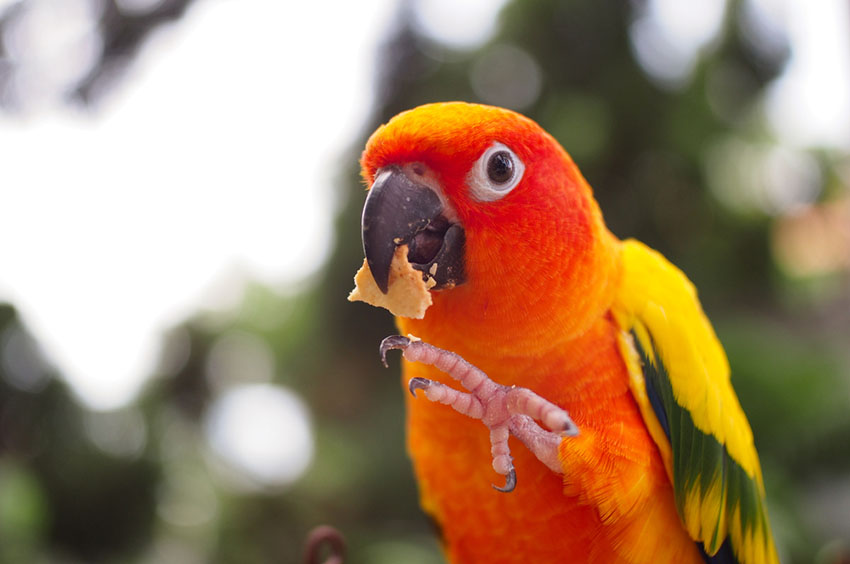
Credit: www.omlet.us
Pellets Vs. Seeds
Understanding the diet of a Sun Conure is crucial. A balanced diet ensures a long, healthy life. Owners often wonder whether to feed pellets or seeds. Each option has its own benefits and drawbacks.
Pros And Cons
| Pellets | Seeds | |
|---|---|---|
| Pros |
|
|
| Cons |
|
|
Balanced Diet
A balanced diet is essential for a Sun Conure. Mixing both pellets and seeds can provide variety and complete nutrition. Pellets offer essential vitamins and minerals. Seeds can add enjoyment and encourage natural behaviors.
Include fresh fruits and vegetables as well. Foods like apples, carrots, and leafy greens are great choices. Avoid feeding avocado, chocolate, and caffeine. These foods are toxic to birds.
A good feeding routine can look like this:
- Morning: Pellets and fresh water
- Afternoon: Fresh fruits and veggies
- Evening: A small amount of seeds
Always monitor your bird's weight and health. Adjust their diet as needed. Consult your vet for personalized advice.
Treats And Snacks
Sun Conures are vibrant and playful parrots. They love treats and snacks. These little snacks can be a fun part of their diet. But, it’s important to choose healthy options and give them in moderation.
Healthy Choices
Choosing healthy snacks is key for your Sun Conure. Here are some great options:
- Fruits: Apples, bananas, and berries are great choices.
- Vegetables: Carrots, broccoli, and spinach are good too.
- Nuts: Almonds and walnuts are healthy but give in small amounts.
- Seeds: Sunflower and pumpkin seeds are favorites.
Make sure to wash all fruits and vegetables. This removes any harmful pesticides or chemicals.
Moderation Tips
Treats and snacks should be given in moderation. Too many snacks can lead to health problems. Follow these tips to keep your Sun Conure healthy:
- Limit treats to 10% of the daily diet.
- Offer treats a few times a week, not daily.
- Monitor your bird’s weight and adjust snack amounts as needed.
- Avoid sugary or salty snacks. These are not healthy for birds.
- Always provide fresh water along with snacks.
Understanding the right treats and moderation helps keep your Sun Conure happy and healthy. Enjoy giving your bird these special snacks!
Hydration Needs
Understanding the hydration needs of your Sun Conure is crucial. Water is essential for their health and well-being. Let's dive into the details of keeping your feathered friend properly hydrated.
Water Sources
Sun Conures need fresh water daily. Provide clean water in a sturdy water bowl. Make sure the bowl is easy to clean and refill. You can also offer water through a water bottle with a sipper tube. This helps keep the water clean and reduces the risk of contamination. Ensure your Sun Conure knows how to use the water bottle.
| Water Source | Pros | Cons |
|---|---|---|
| Water Bowl | Easy access, visible | Can get dirty quickly |
| Water Bottle | Stays clean longer | Bird must learn to use it |
Signs Of Dehydration
Watch for signs of dehydration in your Sun Conure. A dehydrated bird may have a dry beak and flaky skin. Sunken eyes and a lack of energy are also signs. If your bird shows these signs, provide fresh water immediately.
- Dry beak
- Flaky skin
- Sunken eyes
- Lack of energy
Ensure your Sun Conure drinks enough water each day. Regular checks can help prevent dehydration.
Feeding Schedule
Understanding the feeding schedule of a Sun Conure is crucial. It ensures they get the right nutrition and stay healthy. This guide will walk you through the daily routine and adjustments based on age.
Daily Routine
A Sun Conure's daily feeding routine should be consistent. They thrive on schedules. Here's a simple breakdown:
- Morning: Fresh fruits and vegetables
- Afternoon: Seeds or pellets
- Evening: Small portion of grains or legumes
Always provide fresh water. Clean their food and water dishes daily.
Adjustments For Age
The feeding needs change with age. Young Sun Conures require more frequent meals.
| Age | Feeding Frequency |
|---|---|
| 0-6 months | 4-5 times a day |
| 6 months - 1 year | 3-4 times a day |
| 1 year and older | 2-3 times a day |
Adjust portions based on their activity levels. Older birds might need fewer calories.
Always observe your Sun Conure's eating habits. Make sure they are eating enough but not overeating.
Common Feeding Mistakes
Feeding your Sun Conure the right amount of food is crucial. Many owners make common mistakes that can harm their bird. Understanding these mistakes can help you keep your bird healthy and happy.
Overfeeding
Overfeeding is a common mistake among bird owners. Sun Conures love to eat, and they may beg for food often. Giving in to their demands can lead to obesity and other health issues.
- Feed them a balanced diet.
- Measure their food portions.
- Avoid giving too many treats.
Obesity in birds can lead to heart problems and joint issues. Keep an eye on your bird's weight and adjust their diet as needed.
Nutritional Imbalances
Nutritional imbalances can occur if your Sun Conure's diet lacks variety. A diet that is too rich in seeds can cause deficiencies.
Here's a balanced diet plan for your Sun Conure:
| Food Type | Percentage |
|---|---|
| Pellets | 50% |
| Fresh Fruits | 20% |
| Fresh Vegetables | 20% |
| Seeds and Nuts | 10% |
Ensure your Sun Conure gets a variety of foods. This prevents nutritional deficiencies.
Avoid feeding them only seeds. This leads to vitamin deficiencies and other health problems.
By avoiding these common mistakes, you can ensure a healthy and happy life for your Sun Conure.
Monitoring Health
Monitoring the health of your Sun Conure is crucial. Proper monitoring ensures your bird stays happy and healthy. Two key areas to focus on are weight checks and behavioral signs.
Weight Checks
Regular weight checks help track your Sun Conure's health. Weigh your bird weekly using a small digital scale.
Record the weight in a log. A healthy Sun Conure usually weighs between 90-120 grams. Sudden weight changes can signal health issues.
| Weight Range | Health Status |
|---|---|
| 90-120 grams | Healthy |
| Below 90 grams | Underweight |
| Above 120 grams | Overweight |
Behavioral Signs
Observe your Sun Conure's behavior for health clues. Active and playful birds usually indicate good health.
- Eating habits: A sudden change might indicate illness.
- Feather condition: Dull or missing feathers can be a sign of problems.
- Vocalization: Changes in chirping patterns can signal distress.
If you notice unusual behaviors, consult an avian vet.

Credit: www.poodlesandparrots.com
Frequently Asked Questions
How Much Should I Hand Feed My Sun Conure?
Hand feed your sun conure 10-12% of its body weight daily. Divide this into 3-4 feedings.
What Is The Diet Plan For A Sun Conure?
A sun conure's diet includes fresh fruits, vegetables, high-quality pellets, and occasional seeds. Avoid avocado, chocolate, and caffeine.
Will A Conure Overeat?
Yes, a conure can overeat if given too much food. Provide balanced portions to maintain their health.
What Is Sun Conures Favorite Food?
Sun conures love fresh fruits, vegetables, and high-quality pellets. Their favorites include apples, grapes, carrots, and leafy greens.
Conclusion
A Sun Conure's diet is essential for its health and happiness. Feed them fresh fruits, vegetables, and high-quality pellets. Monitor their intake to avoid overfeeding. A balanced diet ensures they thrive, bringing joy and vibrant colors to your home. Proper nutrition is key to maintaining your Sun Conure’s vibrant life.

Viola R. Daigle
I'm Viola R. Daigle, a dedicated Internet Marketer. I work with WarriorPlus as a Vendor and Affiliate, and I’m also an Affiliate on JVZoo and Legendary Marketer. My passion is to provide honest and detailed reviews of Internet Marketing (IM) products and software. I love helping people choose the right tools and strategies to grow their online business with confidence.


